Korean Restaurants in Abu Dhabi – Dubai
먹방은 한국어를 보여줍니다
Mukbang Shows Restaurant . The Premium Korean Restaurant in Abu Dhabi and Dubai. Your ultimate Korean Restaurant for authentic Korean cuisine and delightful bubble tea experiences in Abu Dhabi and Dubai. Indulge at our Korean Restaurant. Enjoy the finest Korean BBQ and fresh seafood delicacies that will tantalize your taste buds and transport you to the vibrant streets of Seoul.
What Korean BBQ?
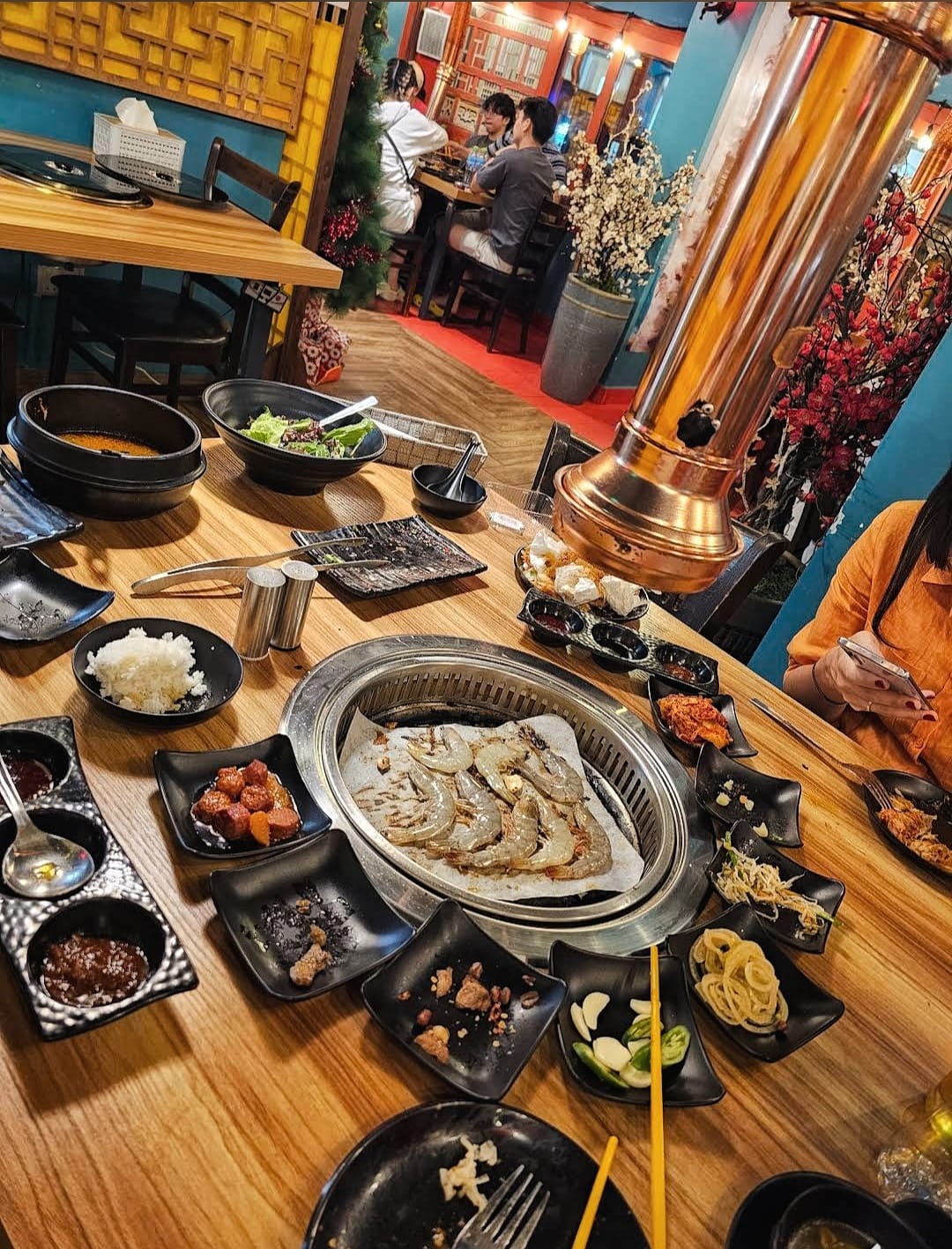
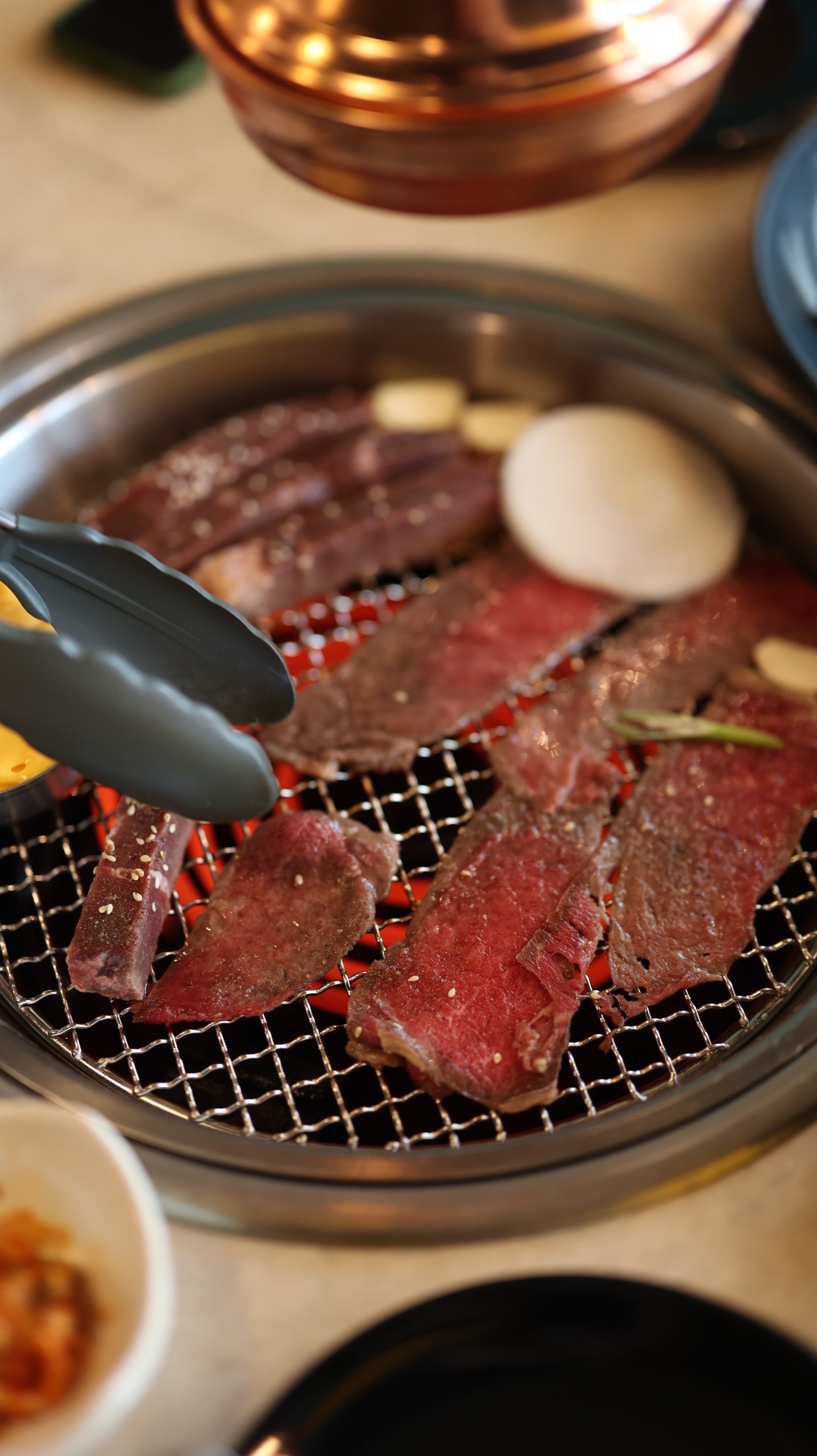
Korean BBQ is a popular culinary tradition originating from Korea that involves grilling meat, primarily beef, Seafood or chicken, at the dining table. At our Korean Restaurant in Abu Dhabi Guests sit around a built-in grill at the table, cooking their own meat and eating it with a variety of side dishes called “banchan.”
Authentic Korean Cuisine
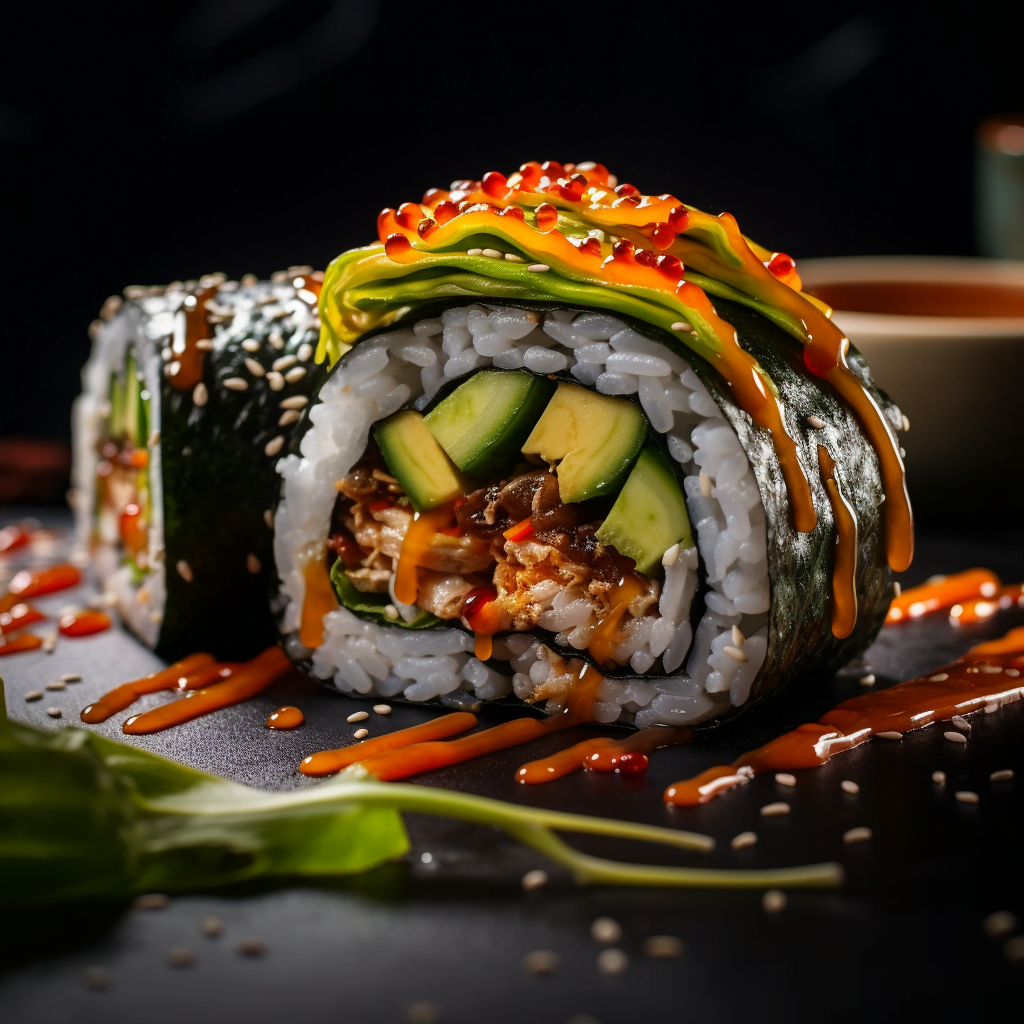
Experience authentic Korean cuisine At our Korean Restaurant in Dubai. Mukbang Shows Korean Restaurant. We have two locations in Abu Dhabi and two locations in Dubai. Our Map can be found here. 🍲
Mukbang Shows Restaurant Locations
Abu Dhabi
Muroor Road Branch
Timing: Monday to Thursday, 12pm – 1am & Friday to Sunday, 11am – 1am
Location: 547 Sultan Bin Zayed The First St – across from Emirates Grand Market – Al Danah – Zone 1 – Abu Dhabi
Contact: 0501589433
Electra Branch
Timing: Monday to Thursday, 12pm – 1am & Friday to Sunday, 11am – 1am
Location: Electra Street – Zayed The First St – behind Sun and Sand Sports – Abu Dhabi
Contact: 025640446
Dubai Locations
Deira Port Saeed
Timing: Monday to Thursday, 12pm – 1am & Friday to Sunday, 11am – 1am
Location: Bus Station – ديرة – Al Ittihad Rd – next to Deira
Contact: 04 886 4494
Coming Soon TBA
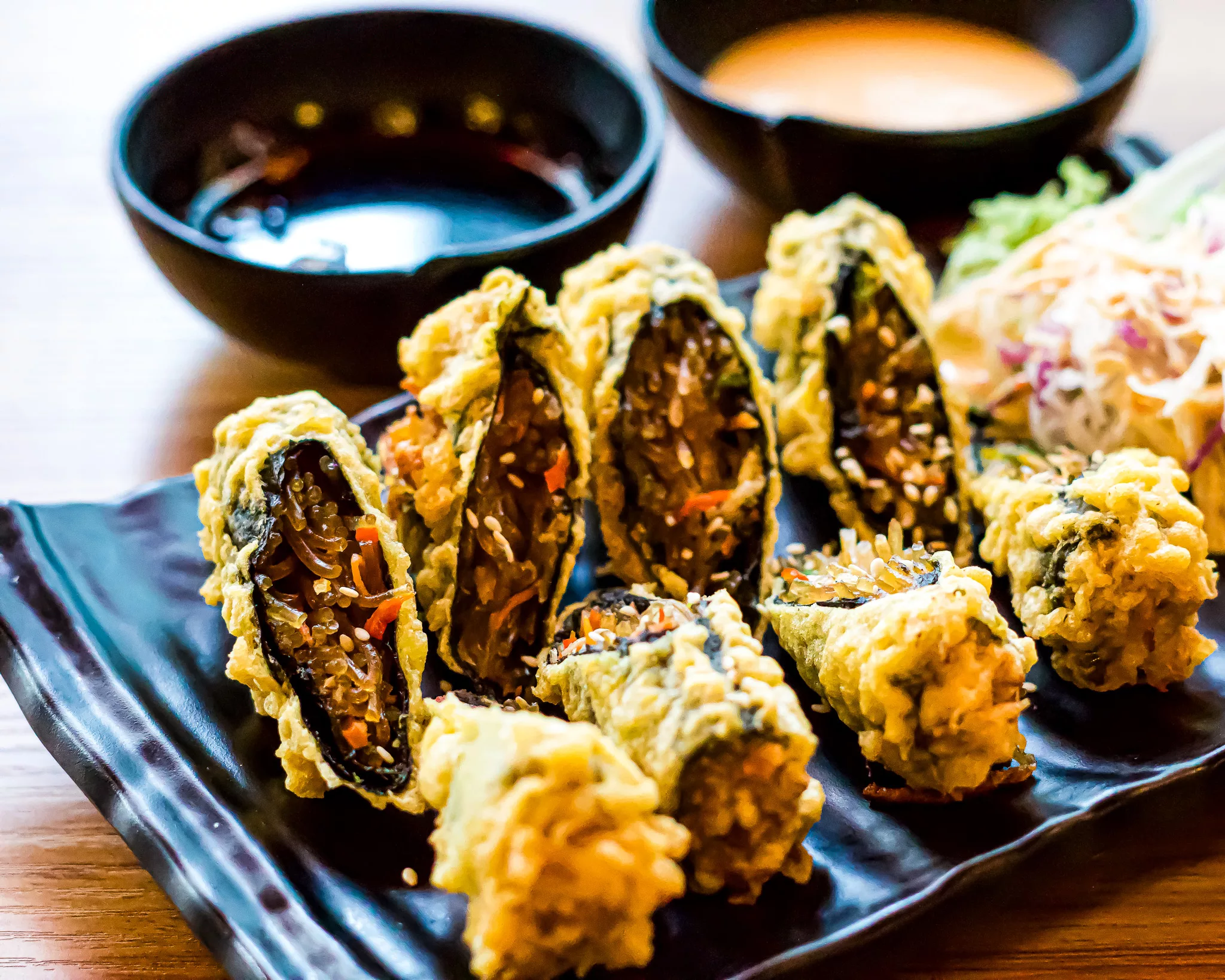
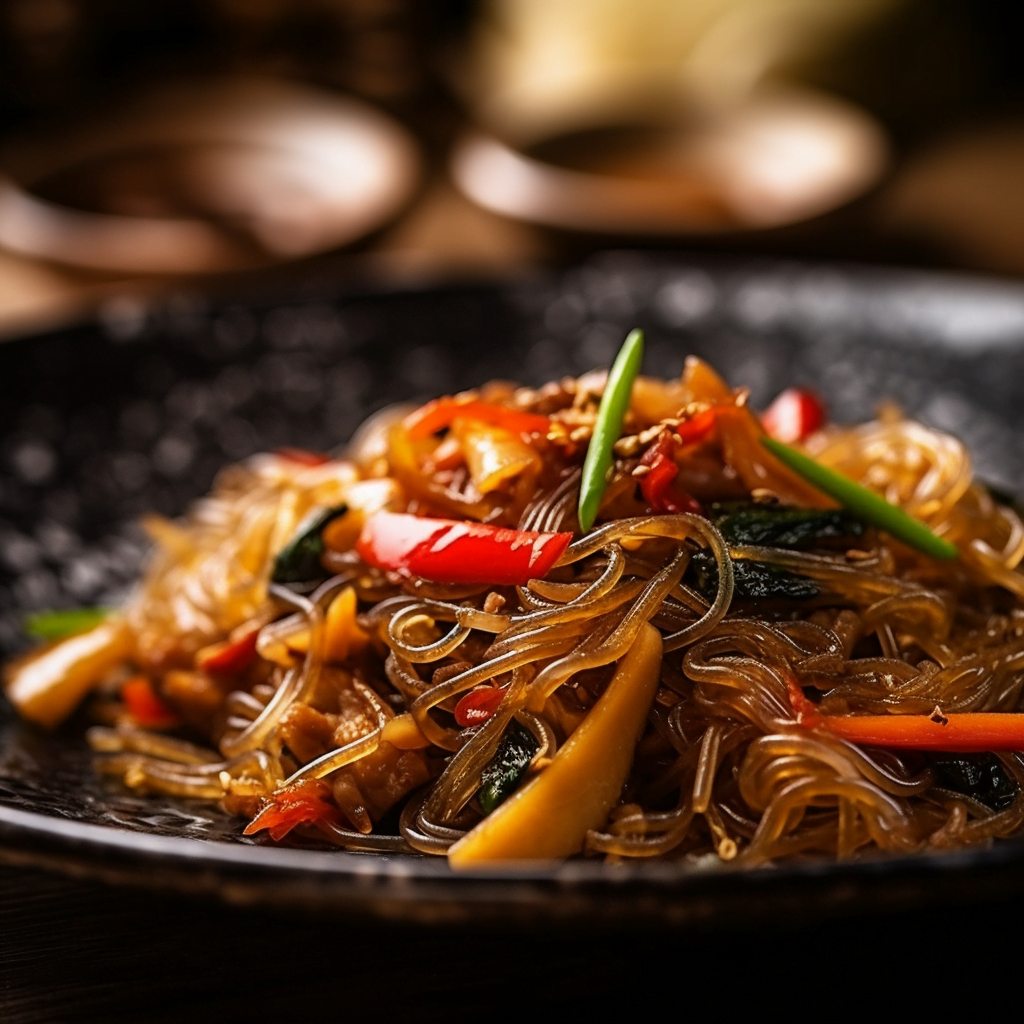
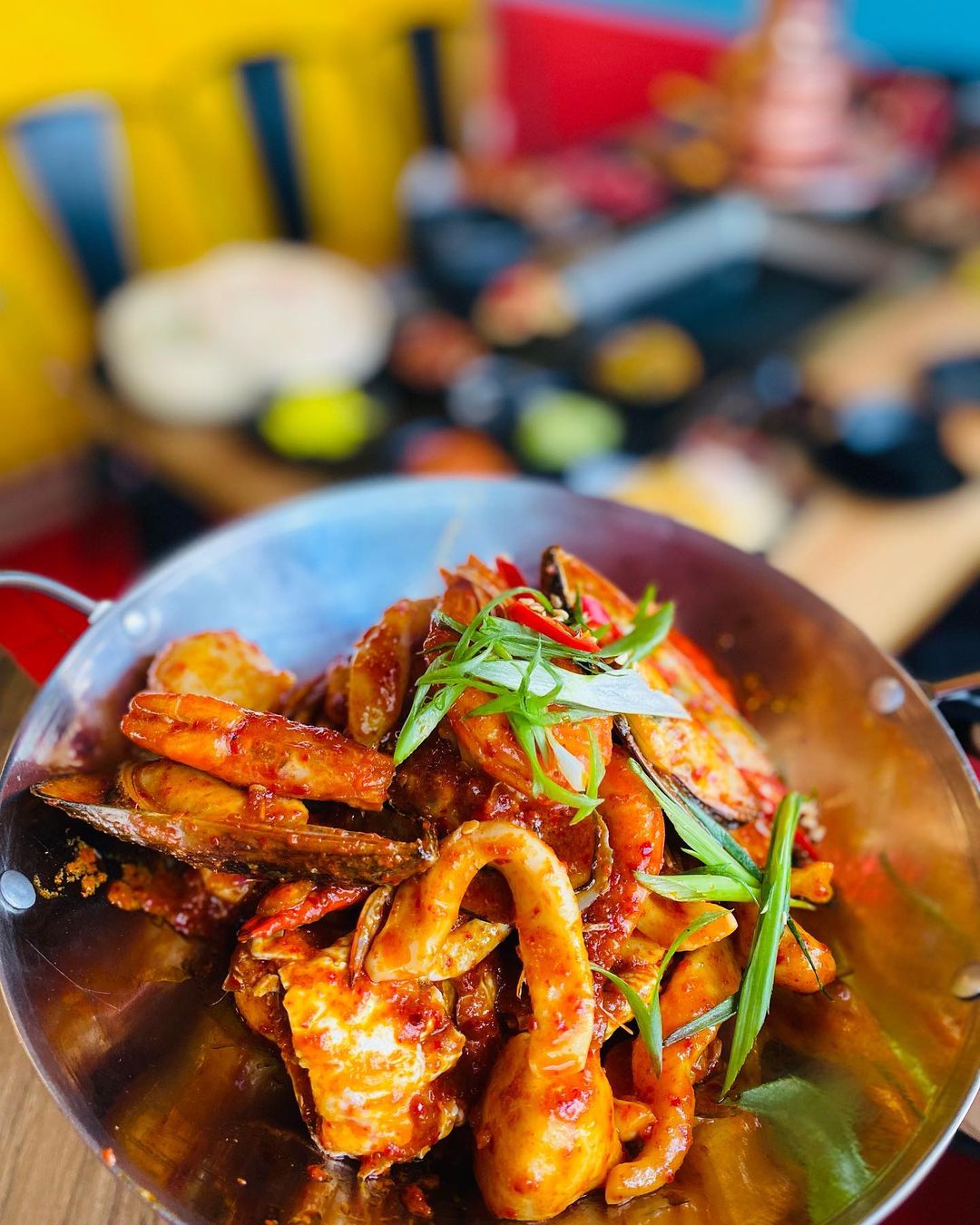
A.Y.C.E Korean Restaurant Menu
Served all Day everyday
Blog
What Is New
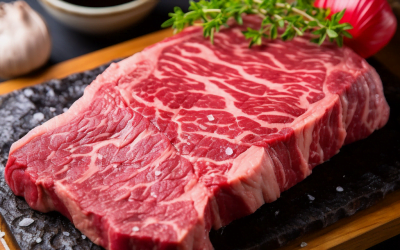
Best Grill Restaurant in Abu Dhabi
Grill Restaurant in Abu Dhabi. Abu Dhabi home to Mukbang Shows Restaurant, a gem among the city's grill restaurants. With prime locations near Yas Marina on Yas Island and in downtown Abu Dhabi close to Al Wahda Mall and Electra Street near City Seasons Hotel, Mukbang...
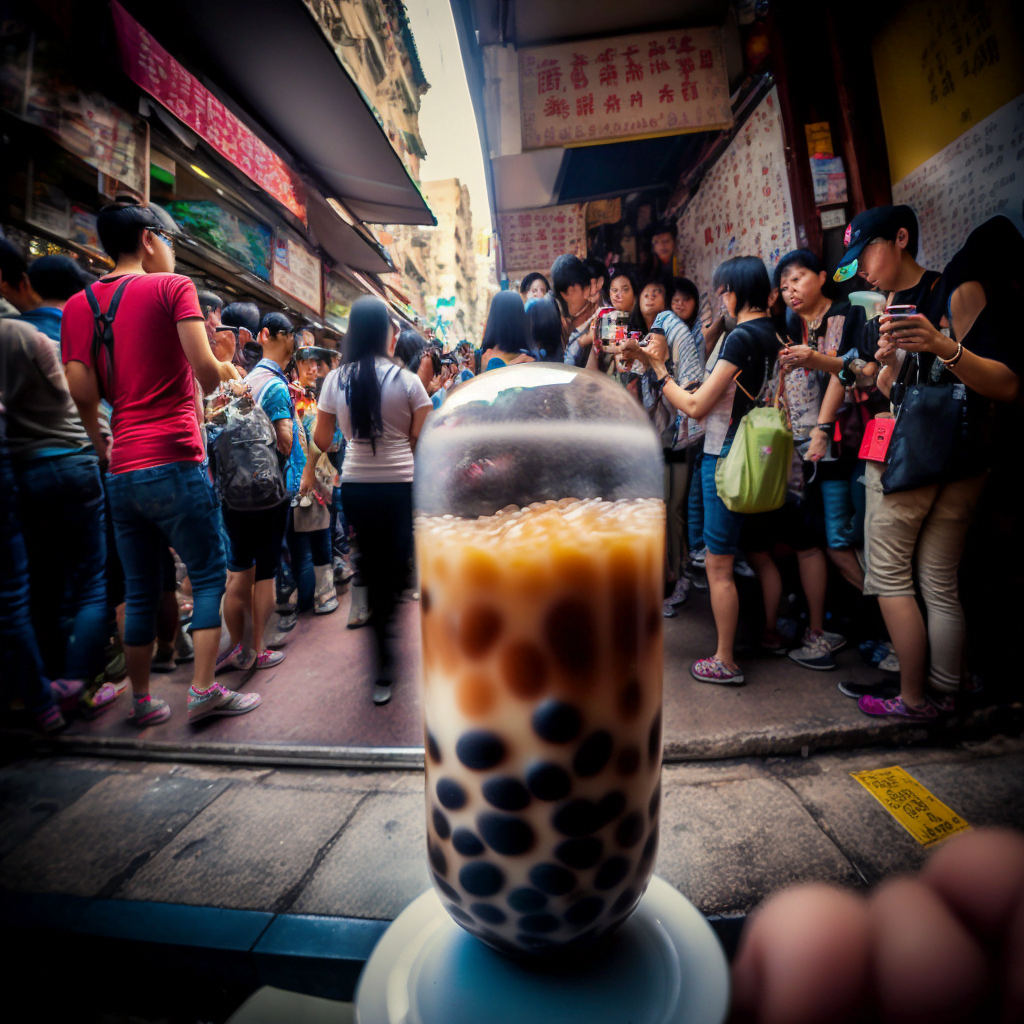
Bubble Tea History
Bubble Tea History Where Did Bubble Tea Originate? In the Dutch colonisation of Taiwan from 1624 to 1662 milk and sugar are essential in the tea industry in Taiwan. But in 1980 two tea houses paved their path into bubble tea. Apparently Hanlin Tea Room owners in...

Exploring the Authentic Flavors of Korean Cuisine at Mukbang Shows Restaurant in Dubai
Order Korean Food Online. Dubai, renowned for its rich tapestry of culinary delights, is a hotspot for food enthusiasts from around the world. Within this vibrant dining scene, Korean cuisine holds a special place, offering a unique blend of flavors, textures, and...